Wildlife Awareness Programs
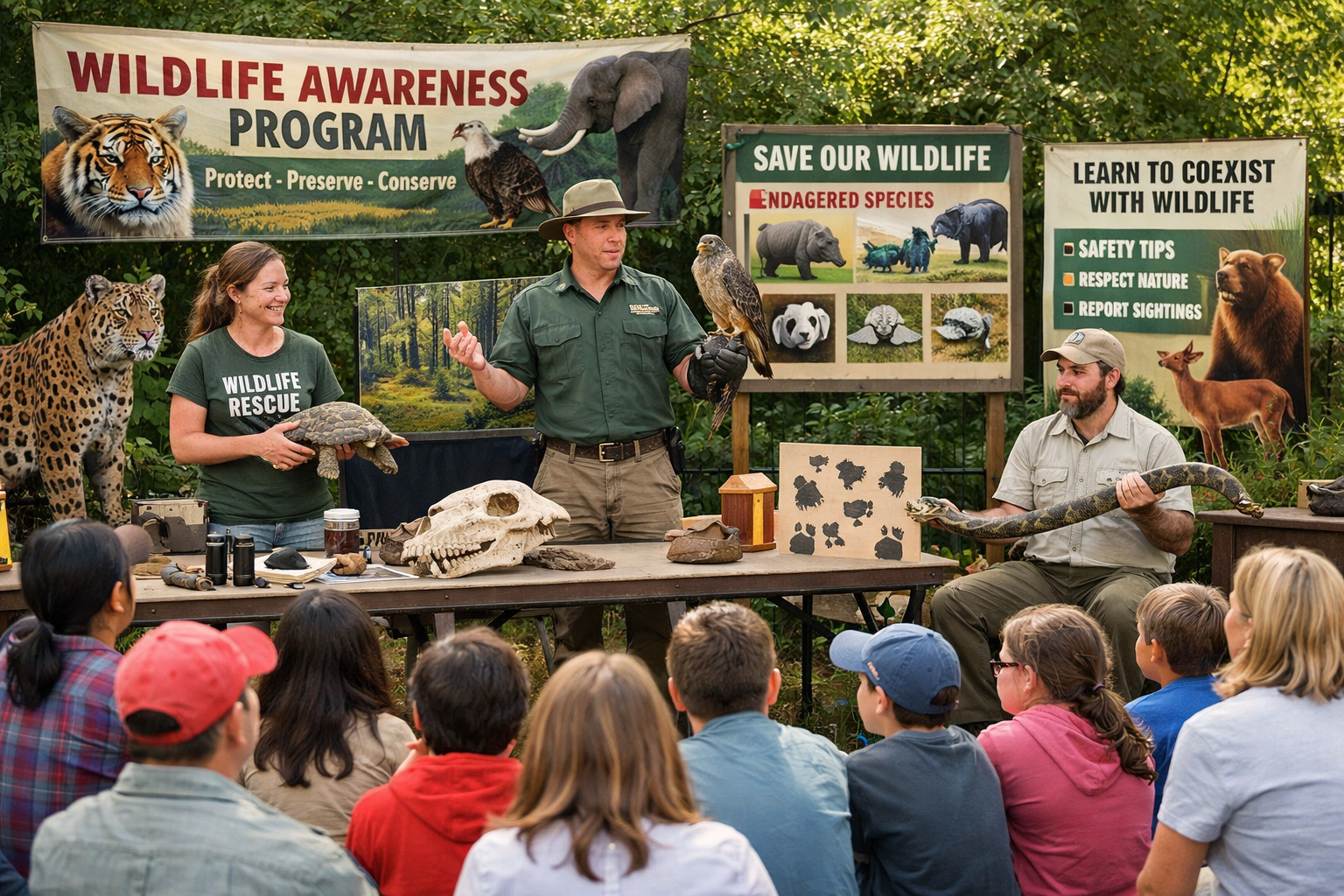
Wildlife Awareness Programs are organized, strategic efforts aimed at educating the public about the importance of biodiversity, the threats facing wild species, and the necessity of habitat conservation. These programs bridge the gap between scientific understanding and public action, fostering empathy, responsibility, and behavioral changes that support the coexistence of humans and wildlife.
Core Objectives of Wildlife Awareness Programs
- Education and Sensitization: Informing the general public, especially the younger generation, about the critical role of flora and fauna in maintaining ecological balance.
- Behavioral Change: Encouraging sustainable lifestyle choices, such as reducing plastic waste and refusing to buy products made from endangered species.
- Conflict Mitigation: Educating communities on how to safely interact with or avoid wildlife, particularly in areas with high human-animal conflict (e.g., snake awareness, human-elephant coexistence).
- Promoting Conservation Actions: Motivating participation in hands-on activities like tree planting, anti-poaching campaigns, and local cleanup drives.
Common Activities and Strategies
-
Wildlife awareness programs utilize various methods to reach different audiences:
- Workshops and Seminars: Educational sessions in schools, colleges, and community centers, often focusing on local biodiversity and endangered species.
- Field Trips and Eco-Trails: Guided visits to National Parks, Wildlife Sanctuaries, and rehabilitated sites to create emotional connections to nature.
- Media Campaigns and Exhibitions: Utilizing film shows, poster-making competitions, street theater, and social media to spread conservation messages.
- Community-Based Initiatives: Engaging local communities (e.g., Village Defence Committees, Eco-Development Committees) in monitoring and protecting local wildlife.